taylor swift demonic
Introduction
Many people ask, “is taylor swift demonic?” This article looks at that idea in a calm way. We explain where the claims start. We show why videos and images can fool people. We use simple words so anyone can read. We also give facts from reliable checks. We share tips for spotting fake images. We talk about why the phrase taylor swift demonic spread so fast on social apps. We will be fair. We want readers to think, not to scare. By the end, you will know how to answer friends who ask, “is taylor swift demonic?” and how to find true sources.
What people mean when they say “taylor swift demonic”
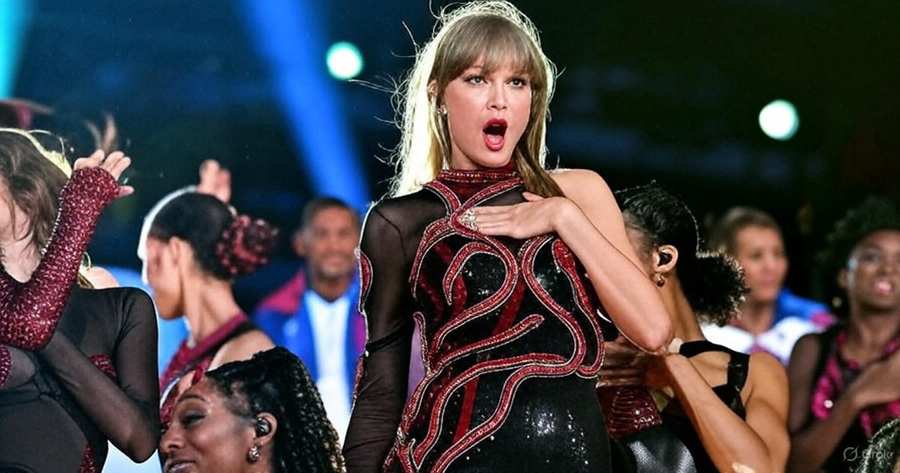
When someone says taylor swift demonic, they usually mean her outfits, gestures, or show props look scary or occult. Some clips show hand signs, costumes, or stages that people call “satanic.” Often, these are short clips or still images shared without context. Fans see art, critics see symbols, and others see proof of a secret belief. This mix of views makes the phrase taylor swift demonic confusing. It helps to slow down and ask: is that real? Or is it a clip taken out of context? Many claims come from quick looks, not deep checks.
Where the rumors started and how they grew
Rumors about taylor swift demonic have floated online for years. They spike when Swift releases music, videos, or big shows. Sometimes a clip goes viral and people add dramatic captions. Other times, AI-made pictures or edits join the mix. Long ago, odd marketing for a song kicked off wild theories. Later, right-wing accounts and some celebrities repeated claims. Those shares make a rumor seem true. The internet loves a simple, loud story, and taylor swift demonic fits that pattern easily.
Viral videos and hand gestures: what happened
Short videos showing a hand sign or a quick stage move can go viral. In February 2024, a clip of Taylor was shared widely as a “satanic gesture.” Reporters tracked that viral clip and explained how people jumped to a conclusion. Viral clips can be confusing. A move that looks odd in a fast clip may be normal in full context. When people label it taylor swift demonic, the clip spreads faster than the truth. Journalists recommend watching full footage and checking reliable sources before believing a viral claim. Forbes+1
AI images and doctored photos: a growing problem
Some images claiming to show taylor swift demonic costumes or pentagrams are fake. Fact-checkers have found AI-made pictures and edits pretending to be real concert photos. These fake images travel fast on social sites. In several checks, outlets showed that images with horns or pentagrams were not from real shows and were likely generated or edited. That makes it risky to trust an image alone. When you see a shocking picture, pause and search for the original source or a trusted fact-check. AAP+1
What fact-checkers and reporters found
Several fact-check groups looked at the taylor swift demonic claims and found little real evidence. They reviewed videos, photos, and social posts. Most claims were either taken out of context or based on edited images. Reporters and fact-checkers explained how art, costumes, and stage lighting can be misread. Trusted checks say the strongest proof is missing. If a claim sounds extreme, fact-checking sites often have a clear report to read. Use those reports to learn the facts. Poynter+2Snopes+2
Why these rumors spread so fast
Rumors like taylor swift demonic spread because they trigger strong feelings. Scary or shocking ideas get likes, shares, and comments. People also enjoy having a simple answer for something odd. Political groups and influencers can push the idea to fit their views. Plus, short clips and images make it easy to miss context. When many accounts repeat the same claim, it feels true. That is why honest checks and calm conversations are important. Good questions slow the spread: who posted it first? Is the image old? Is it edited?
Taylor’s public statements and beliefs
Taylor Swift has publicly said she is a Christian at times in interviews. She also uses many story ideas in her songs. Artists often use myths, costume, and role-play to tell a story. That can look like witchcraft or dark themes to some viewers. Saying she is an artist who uses symbols is different from saying she is part of a real occult group. When people claim taylor swift demonic, they often mix stage story with private belief. Reliable reporting notes the difference between art and personal faith statements. premierunbelievable.com
| Read More Informative Blogs Like These: Brace Rice: The Quiet Power |
Concerts and imagery: art, not proof
Big shows use lighting, props, and costumes. Directors plan a story for each song. A pentagram or a horned mask on stage can be a prop. It can stand for a story or a feeling. When fans describe a scene, that is art talk. Calling art proof of belief is a leap. If someone sees taylor swift demonic in a show, ask: was it storytelling? Who designed the scene? Where did the image come from? Art aims to shock and to move. That does not make it a literal sign of belief.
How to spot manipulated images or edits
To check an image that claims taylor swift demonic, look for signs of editing. Reverse-search the image to find its first appearance. Check news sites or fact-check pages. Look for missing metadata or odd shadows. If only social posts show it and no reporters or photographers back it up, be careful. Many fact-checks have lists of edited images. When you doubt, search the claim with the words “fact check” or use a trusted news site. That simple check stops many false stories from spreading.
So — is Taylor Swift demonic?
The short answer: no solid proof supports the claim that taylor swift demonic is true in the literal sense. Most evidence is edited images, out-of-context clips, or art taken as doctrine. Fact-checkers and major reporters have repeatedly found the strongest claims to be false or misleading. That does not stop people from believing or sharing them, but it does mean we should ask for good proof before we accept a dramatic claim. If someone is worried, show them reliable articles and explain how to check claims calmly. Poynter+1
How fans and critics react
Fans often defend Taylor by sharing full videos or behind-the-scenes notes. Critics sometimes warn parents or fans about what they see as bad influence. Both views can be loud. When the phrase taylor swift demonic appears, fans will push back and show context. Critics may keep sharing the same clips. That tug-of-war is normal on social media. What helps is clear, calm talk. Show the full clip or a fact-check. That often calms the debate and helps friends see the full picture.
How to talk with someone who believes the claim
If a friend says taylor swift demonic is real, listen first. Ask where they saw it. Offer to look at the full video together. Show a fact-check or a trusted news piece. Use gentle questions: “Do we know where this came from?” or “Has a trusted reporter verified it?” Avoid shouting or mockery. People trust what they first saw. A calm check works better than anger. If they still believe it, respect their view but share tools for checking future claims.
FAQs
Q1: Are there real photos of Taylor Swift with satanic symbols?
A1: No trusted photo agency or clear evidence has shown real concert photos proving that. Many images going around have been checked and found to be edited or AI-made. Trusted fact-checkers have pointed this out. Look for reports from reputable outlets before believing a shocking picture. AAP+1
Q2: Did Taylor Swift ever say she practices witchcraft or satanism?
A2: No credible record shows Taylor Swift saying she practices witchcraft or satanism. She has spoken about being an artist and, at times, about her faith. Mixing stage roles with personal belief is a common cause of confusion. Check full interviews for real quotes. premierunbelievable.com
Q3: Why do people call her shows “demonic”?
A3: People use the word when a costume, prop, or light effect looks scary to them. Art can be spooky on purpose. That does not mean the artist holds a literal belief tied to the image. Quick clips also remove context, which makes art look like a creed. Forbes
Q4: How can I verify a viral clip that says “taylor swift demonic”?
A4: Do a reverse image search, search fact-check sites, and look for reporting from trusted news outlets. If only social posts show the clip and no reputable outlets, be careful. Fact-checks often appear soon after viral claims. Poynter+1
Q5: Are AI images a big issue in these claims?
A5: Yes. Many fake images are now made with AI. Fact-checkers have found AI edits in claims about taylor swift demonic. Always check if the image appears on news wires or from verified photographers. AAP
Q6: Should I delete shares of these claims if I posted one?
A6: If you shared a post that you now see is false or edited, it is kind to correct or remove it. Add a note with the accurate source. That small step helps slow the spread of wrong stories and keeps friends better informed.
Conclusion — what to take away
The claim taylor swift demonic is loud online, but it lacks solid proof. Most viral clips are art, edits, or short snippets without context. Trusted reporters and fact-checkers have shown many claims to be false or misleading. When you see such a claim, pause and check. Ask for the original source. Share calm facts, not panic. If you want, save this article and the cited fact-checks. Talk kindly with friends who believe the claim. Good checks and kind talk help truth travel faster than rumor.
Sources & Further Reading
Forbes — viral video analysis. Forbes
- Poynter — fact-checks on ritual claims. Poynter
- Snopes — related checks on witchcraft claims. Snopes
- Wired / Media Matters — context on conspiracies and spread. WIRED+1
About the Author